The Colston Statue at M Shed: How the Display Is Contextualised
How Bristol’s museum places the statue within protest history, why its graffiti was preserved and where to follow the collection evidence.
Published
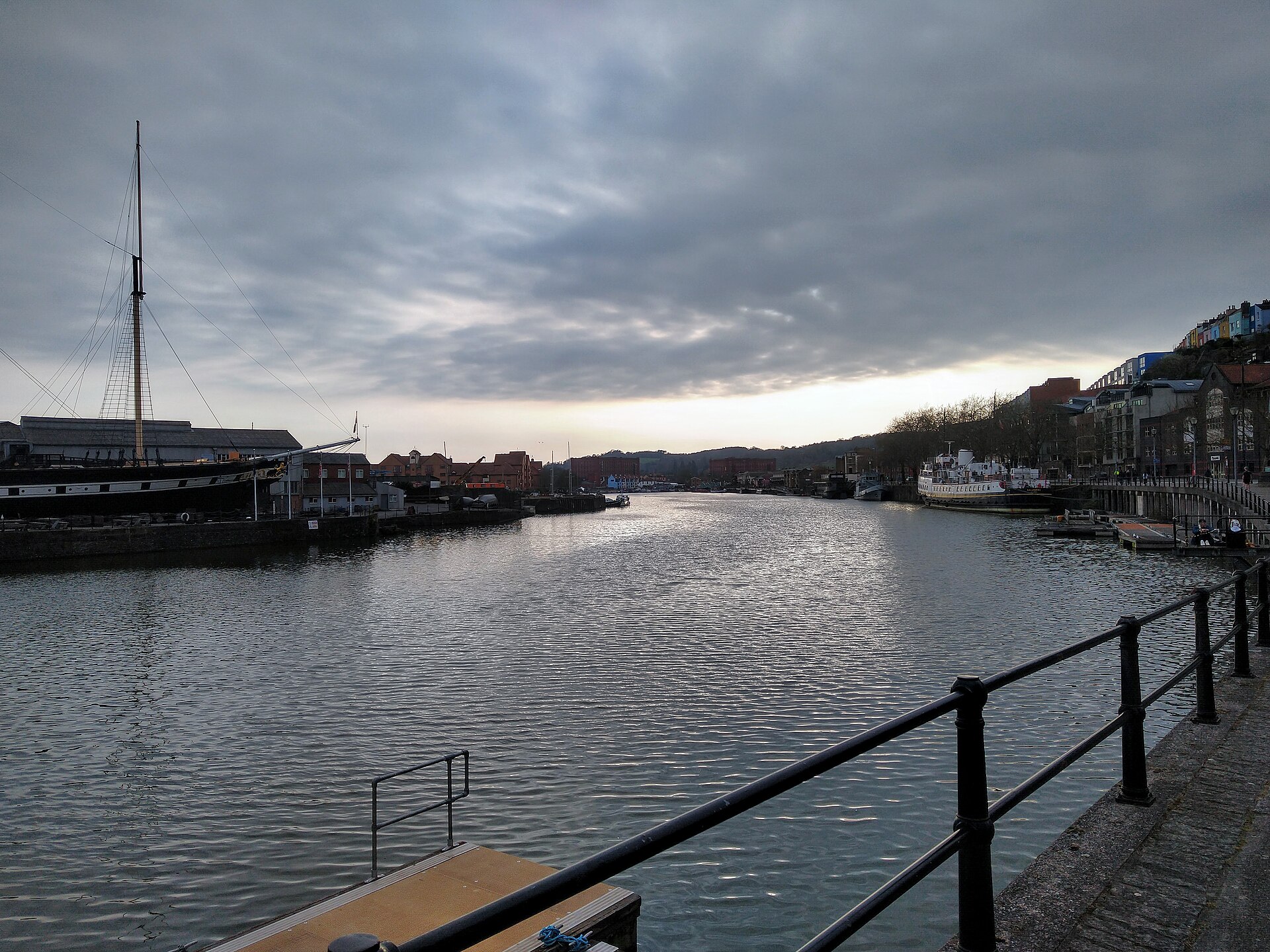

The Edward Colston statue is on permanent display in M Shed’s Bristol People gallery, within a display about Bristol’s history of protest. That setting gives visitors a specific starting point: the statue of a slave trader has also become evidence of the challenge to his public commemoration. Bristol Museums & Archives’ account connects the object with its removal, conservation and the public discussion about its future.[1]
Why the Protest Setting Matters
The museum places the statue’s removal within the protests that followed the murder of George Floyd in America. In Bristol, All Black Lives Bristol organised a protest against police brutality and racial inequality on 7 June 2020. During that protest, people pulled down the statue, graffitied it and threw it into the harbour.[1]
Its position within a history of protest gives the object more than one historical role. You can consider what it meant to commemorate Colston in public space, then examine what happened when protesters challenged that commemoration. This is an interpretation of the museum’s stated framing, which connects the removal with debates about inequality, the past and who is remembered.[1]
The museum also stresses that debate about Colston’s legacy and Bristol’s involvement in the transatlantic traffic in enslaved Africans had continued for decades. Keep that longer history in view when reading about June 2020. The removal was a particular moment within an existing argument about the city’s past.[1]
Why the Graffiti Was Preserved
Bristol City Council recovered the statue four days after it entered the harbour. Museum conservators then stabilised its condition and preserved the graffiti. Those actions explain an important part of the curatorial approach: the marks associated with the protest were retained as part of the object’s history.[1]
When considering the statue, pay attention to that conservation decision. Preserving the graffiti allows the altered object to carry evidence of the protest as well as the earlier act of commemoration. The museum’s account makes both histories relevant to how it is understood.[1]
From Public Consultation to Permanent Display
The online exhibition titled The Colston Statue: What next? records an earlier stage in the statue’s museum life. It was displayed temporarily at M Shed from June 2021 to January 2022. A survey formulated by the We Are Bristol History Commission, a group established to improve shared understanding of the city’s story, was central to that display.[1]
Nearly 14,000 people responded to the public survey. The museum reports that four out of five Bristol respondents wanted the statue displayed in a Bristol museum, and that the Cabinet agreed to museum display in April 2022. The distinction between those figures matters: the total covers survey responses overall, while the four-in-five finding concerns respondents from Bristol.[1]
That finding answers a question about the statue’s destination. It leaves room for disagreement about how its history should be interpreted. Choosing a museum setting does not settle every argument about commemoration, protest or the meaning of the object.[1]
If you explore the virtual 3D display linked from the exhibition page, treat it as a record of the earlier temporary exhibition. The page distinguishes that first display from the permanent presentation in the Bristol People gallery. This helps you keep the consultation stage separate from the statue’s subsequent museum setting.[1]
Where to Follow the Primary Evidence
For the museum’s explanation of the statue’s changing role, begin with The Colston Statue: What next? For further object and documentary research, the Bristol Museums & Archives homepage provides separate routes into the museum collection search and the Bristol Archives online catalogue. These offer a way to move from an exhibition’s interpretation towards the records behind a historical enquiry.[1][2]
Choose the route to match your question. Use the museum collection search when pursuing objects, and the archive catalogue when pursuing records of Bristol and the surrounding area. The homepage also provides an online exhibitions section covering current and past displays at M Shed, Bristol Museum & Art Gallery and Bristol Archives.[2]
As you follow those records, keep the questions distinct: what the statue commemorated, what happened to it during the protest, and how the museum explains it afterwards. Start with the museum’s account, then retain the titles and references of relevant catalogue entries so you can return to the evidence and compare interpretations.[1][2]
Sources and checks
These sources were used for this article. Availability, prices and service details can change after the stated check date.
- Bristol Museums - The Colston Statue: What next?
Checked 20 October 2026.
The statue is permanently displayed in M Shed’s Bristol People gallery within a display about Bristol’s protest history. The temporary exhibition ran from June 2021 to January 2022 and centred on a public survey formulated by the We Are Bristol History Commission. Nearly 14,000 people responded overall, while four out of five Bristol respondents supported display in a Bristol museum. The Cabinet agreed to museum display in April 2022. The page offers a virtual 3D record of the earlier display. All Black Lives Bristol organised the 7 June 2020 protest against police brutality and racial inequality. Protesters pulled down, graffitied and threw the statue into the harbour. The council recovered the statue four days later, and conservators stabilised it and preserved its graffiti. The museum connects the statue with longstanding debate about Colston, slavery, inequality and public remembrance.
- Bristol Museums
Checked 20 October 2026.
The Bristol Museums & Archives homepage provides a museum collection search. It provides a separate Bristol Archives online catalogue covering Bristol and surrounding areas. Its online exhibitions section covers current and past exhibitions and displays at Bristol Museum & Art Gallery, M Shed and Bristol Archives.